
Table of Contents
- What Makes Small Batch Coffee Worth It in 2026
- How We Tested These Small Batch Coffee Brands
- The Benefits of Small Batch Roasting (and Why Freshness Wins)
- Roast Date vs. Best-By Date: What Actually Matters
- Top Small Batch Coffee Brands to Try in 2026
- Bad Habit Collective: Roasted to Order, Shipped in 24 Hours
- Other Standout Small Batch Roasters Worth Knowing
- Specialty Coffee Subscription Services: How to Choose the Right One
- Shipping Frequency, Flexibility, and What to Ask Before You Commit
- How to Store Fresh Roasted Coffee Beans for Peak Flavor
- Matching Roast Profiles to Your Brewing Method
- Budget-Conscious Strategies for Drinking Better Coffee
- Frequently Asked Questions
Last Updated: September 30, 2026
What Makes Small Batch Coffee Worth It in 2026
Small batch coffee is coffee roasted in limited quantities, typically in batches small enough that the roaster can monitor every minute of the roast. At Bad Habit Collective, we roast to order and ship within 24 hours, which is the entire point: freshness you can taste, not a date stamp you have to squint at.
The difference shows up in the cup. Mass-market beans sit in warehouses and on shelves for months, and by the time you grind them, the oils have gone flat and the flavor turns bitter. Small batch roasting skips that waiting game. According to Specialty Coffee Association guidance on freshness, roasted coffee begins losing its best flavors within weeks of roasting, which is why roast date matters more than almost any other label on the bag.
That's the case for small batch in one paragraph. Below, we break down how we tested these brands, what freshness actually means, and how to match a roast to your brewing setup. The strategies we cover are built around one idea: better coffee comes from shorter supply chains, not bigger marketing budgets.
How We Tested These Small Batch Coffee Brands
We evaluated roasters on five criteria: roast date transparency, time from roast to shipment, bean origin and traceability, grind options, and subscription flexibility.
Here's the scoring framework we used:
| Criteria | What We Checked | Why It Matters |
|---|---|---|
| Roast date visibility | Printed date on bag | Freshness you can verify |
| Roast-to-ship time | Days from roasting to shipping | Shorter is fresher |
| Traceability | Farm, region, altitude listed | Confirms bean quality |
| Grind options | Whole bean vs. pre-ground | Whole bean stays fresher |
| Subscription terms | Pause, skip, cancel rules | Flexibility for real schedules |
A common mistake is judging a roaster by packaging alone. Matte bags and minimalist logos mean nothing if the beans were roasted six weeks ago. We prioritized roasters that publish origin details and ship fast over ones with prettier branding.
The Benefits of Small Batch Roasting (and Why Freshness Wins)
Freshness is the single biggest factor separating great coffee from forgettable coffee. Small batch roasting means smaller quantities move faster, so beans reach you closer to their peak flavor window instead of sitting in a distribution center.
The benefits stack up quickly:
- Peak flavor window: Beans taste best in the first few weeks after roasting.
- Better traceability: Small roasters often buy from specific farms and regions.
- Consistent quality control: Smaller batches mean closer monitoring during the roast.
- Less waste: Roasting to order reduces stale inventory.
What most guides miss is that small batch isn't automatically better. A small roaster using old green beans will still produce flat coffee. The advantage comes from the combination of small batches and fast shipping.
Roast Date vs. Best-By Date: What Actually Matters
The roast date tells you when the beans were roasted. The best-by date tells you when the roaster thinks they'll still be acceptable. Only one of those is useful for judging freshness, and it's the roast date.
A best-by date can be printed a year out, which says more about packaging than about flavor. If a bag lists only a best-by date, assume the beans are older than you'd like. Roasters confident in their freshness print the roast date because it's a selling point, not a liability.
Top Small Batch Coffee Brands to Try in 2026
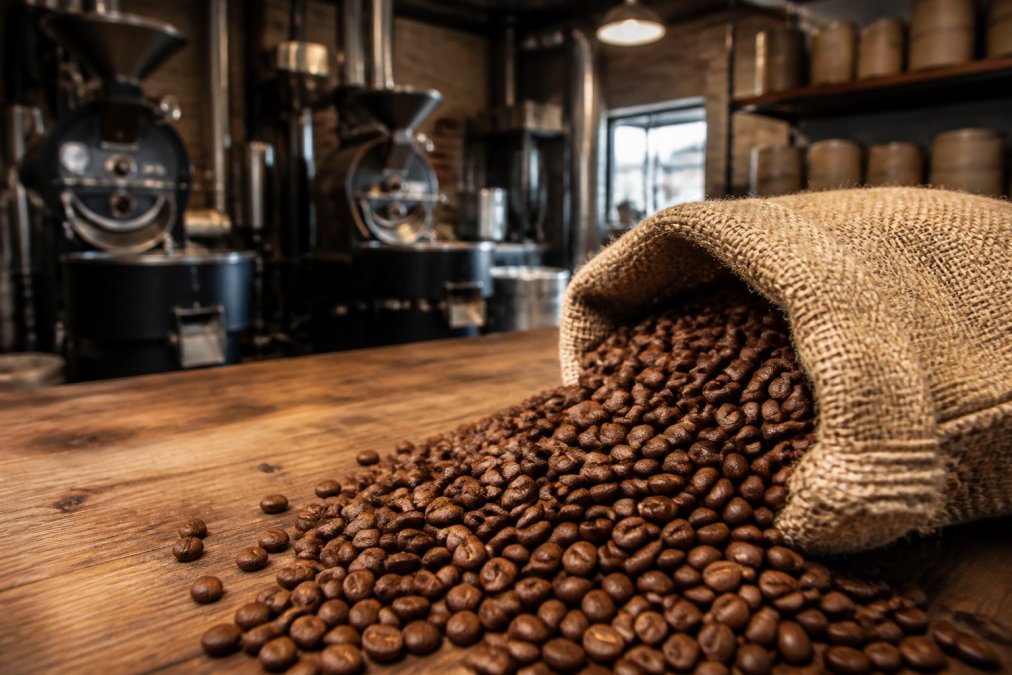
Bad Habit Collective leads this list because it roasts to order and ships within 24 hours, which is about as fresh as mail-order coffee gets. The collective is veteran-owned, sources specialty-grade high-altitude beans, and backs every order with a 7-Day Taste Guarantee. Customers notice the difference: Jordan from Colorado put it simply, "Finally. I'm so over the huge coffee brands that just feel like giant machines."
The lineup covers both single-origin and blended options. Adriana from Los Angeles said, "I'm usually not a fan of blends, but the Cowboy Blend is a game-changer," while Dakota in Arizona called the Hazelnut Roast a favorite. Subscriptions save 15%, and shipping is free on all coffee.
Bad Habit Collective: Roasted to Order, Shipped in 24 Hours
The operational detail that matters most: Bad Habit Collective doesn't roast until you order. That means no warehouse time, no sitting on a shelf, and no guessing at freshness. The 24-hour shipping window keeps the gap between roast and doorstep as short as possible.
For anyone who's tried other "fresh roasted" services and found them similar, the difference here is the roast-to-ship window combined with high-altitude specialty beans. Higher-altitude beans tend to develop more complexity and acidity, which is why the finish stays smooth rather than bitter. The 7-Day Taste Guarantee exists because the brand is confident you'll notice.
Other Standout Small Batch Roasters Worth Knowing
Beyond the top pick, several other roasters do small batch well. Look for operations that publish roast dates, name their farms, and offer flexible subscriptions. The category has grown crowded, so use the criteria above to separate genuine small batch roasters from brands that simply use the term as marketing.
Specialty Coffee Subscription Services: How to Choose the Right One
The right specialty coffee subscription matches your drinking pace, your brewing method, and your taste preferences. Most services let you choose frequency, grind, and roast level, but the details vary enough that it's worth reading the fine print before committing.
Start by estimating how much coffee you actually drink. A household that brews two cups a day goes through a bag faster than a single occasional drinker, and ordering too much means beans go stale before you finish them. Match your shipping frequency to your consumption, not to a discount tier.
Shipping Frequency, Flexibility, and What to Ask Before You Commit
Flexibility is the feature people forget to check until they need it. Before you commit, confirm three things: can you pause, can you skip a shipment, and can you cancel without a fee?
If you travel often, a flexible schedule matters more than a small per-bag discount.
How to Store Fresh Roasted Coffee Beans for Peak Flavor
Store fresh roasted coffee beans in an airtight, opaque container at room temperature, away from light, heat, and moisture. Skip the fridge and freezer for daily-use beans, since temperature swings and condensation degrade flavor faster than room-temperature storage.
A few storage rules that hold up in practice:
- Keep beans whole until you brew; grind size and freshness are linked.
- Buy only as much as you'll finish in two to three weeks.
- Avoid clear containers; light breaks down the oils that carry flavor.
- Don't refrigerate daily-use beans; condensation is worse than room temperature.
- Matching Roast Profiles to Your Brewing Method
The best roast for your coffee depends on how you brew it. Light roasts shine with pour-over and drip methods that highlight acidity and aroma. Medium roasts are versatile across brewers. Dark roasts pair well with espresso and French press, where their deeper, less acidic character comes through.
Here's a quick matching guide:
| Roast Level | Best Brewing Method | Flavor Tendency |
|---|---|---|
| Light roast | Pour-over, drip | Bright, fruity, higher acidity |
| Medium roast | Drip, AeroPress, pour-over | Balanced, versatile |
| Dark roast | Espresso, French press, moka pot | Bold, low acidity, deeper body |
Budget-Conscious Strategies for Drinking Better Coffee
You don't need to spend the most to drink well. The biggest lever is buying whole bean and grinding at home, which stretches freshness and usually costs less per cup than pre-ground premium options. Subscriptions that offer a discount for recurring orders also lower the per-bag cost over time.
- Buy whole bean. It stays fresh longer, so less coffee gets wasted.
- Choose a subscription discount. Recurring orders often cost less per bag than one-off purchases.
- Match quantity to pace. Buying more than you'll finish wastes money and flavor.
- Skip the fancy gear first. A decent grinder improves results more than a new brewer.
Frequently Asked Questions
What makes small batch coffee different from mass-market coffee?
Small batch coffee is roasted in quantities of roughly 10 to 30 pounds at a time, which gives the roaster precise control over temperature and timing. Mass-market brands roast hundreds of pounds per batch and often ship months after roasting. The result: small batch beans retain more of their natural sweetness and complexity, while mass-market coffee tastes flat or bitter because it sat on a shelf too long.
How quickly should you consume small batch coffee after roasting?
Most roasters recommend drinking small batch coffee within two to four weeks of the roast date for peak flavor. Whole beans stay fresh longer than pre-ground. Store them in an airtight container away from light, heat, and moisture. Bad Habit Collective ships within 24 hours of roasting, so you get maximum window.
Is it worth paying more for specialty-grade small batch coffee?
Specialty-grade beans score 80 or above on the Specialty Coffee Association scale, meaning fewer defects and better flavor. You are paying for freshness, traceability, and the labor of small batch roasting. If you drink coffee daily, the difference in taste is noticeable, especially if you have been drinking supermarket brands. Subscriptions often reduce the per-bag cost, and Bad Habit Collective offers 15% savings plus free shipping on coffee.
What should I look for in specialty coffee subscription services?
Check the roast-to-ship window (faster is better), whether you can pause or skip deliveries, and if the roaster lists the roast date on the bag. Flexible plans matter if you travel or drink variable amounts. Bad Habit Collective ships within 24 hours, offers a 7-Day Taste Guarantee, and lets you adjust your subscription without penalties.